
Love the Skin You’re In
Sun Damage Treatment in Milton, FL
Reversing the visible effects of UV exposure with targeted, proven treatments.Living in Florida means enjoying more sun than most parts of the country, and the skin keeps a visible score of every hour spent in it. Sun damage accumulates gradually and quietly, showing up years later as brown spots, uneven tone, rough texture, fine lines, and a general dullness that no amount of moisturizer fully addresses.
At 82 Magnolia Aesthetics, we address cosmetic sun damage with a combination of therapies from photofacials to skin resurfacing. Your provider will assess the full picture of your sun damage at your consultation and build a treatment plan that addresses your specific concerns in the most direct and effective way possible.
What Are the Signs of Sun Damage We Treat?
Sun damage presents differently from patient to patient, depending on skin tone, years of exposure, and individual skin characteristics. Common concerns we address include:
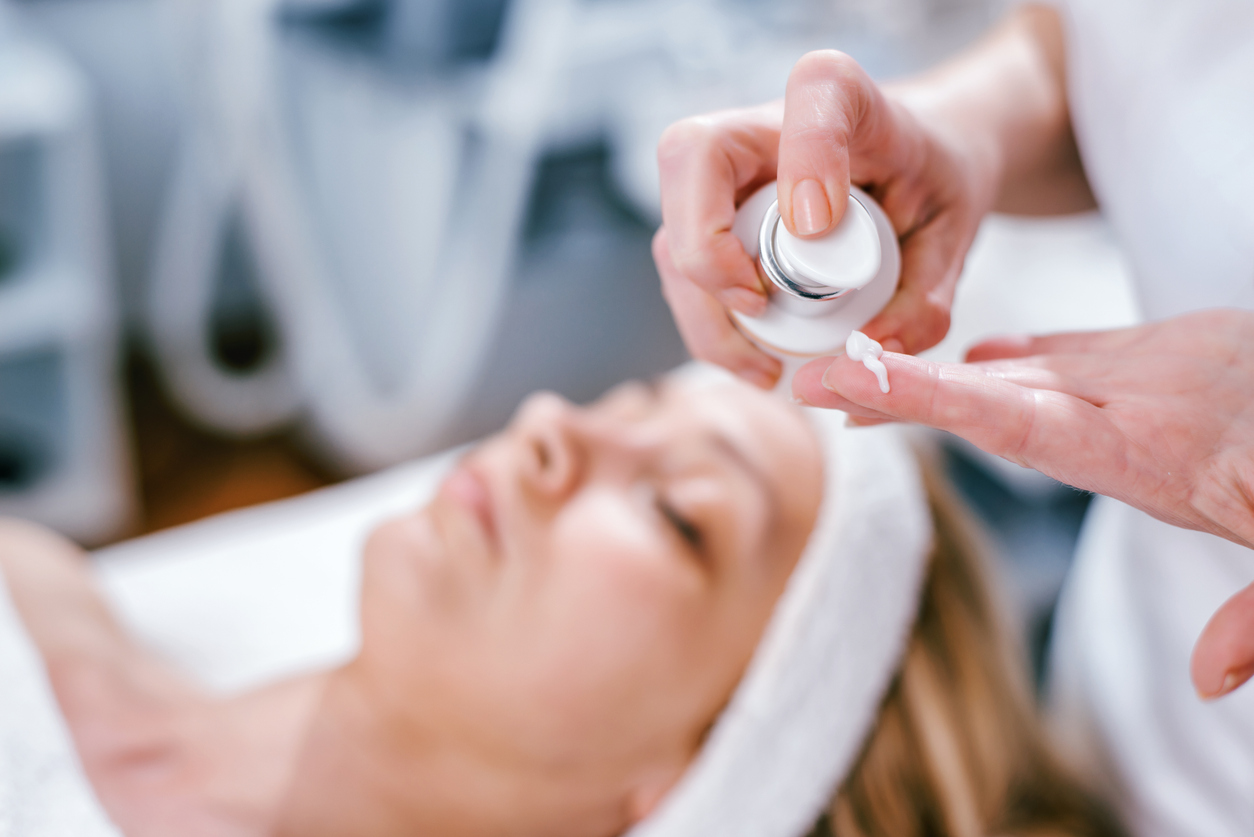
Treatments That Address Sun Damage at Every Level
Sun damage affects multiple layers of the skin, which is why the most effective plans address it from more than one angle.
Schedule your consultation to meet with our experienced team and create a powerful, custom treatment plan.

Sun Protection: The Most Important Part of Any Treatment Plan
Treating existing sun damage is only half the equation. Without consistent sun protection, new damage will continue to accumulate and undermine every treatment you invest in. In Florida, where UV levels are among the highest in the country year-round, daily SPF is genuinely non-negotiable.
A few habits that make a meaningful difference:
We will always discuss sun protection as part of your treatment plan and recommend specific SPF products suited to your skin type.
Frequently Asked Questions About Sun Damage Treatment
Yes, many signs of sun damage can be reversed. Brown spots, uneven skin tone, rough texture, and early photoaging respond well to professional treatments.
More advanced concerns like wrinkles and skin laxity can also improve with deeper treatments like laser resurfacing, RF microneedling, or Ultherapy. The sooner you start, the better the results, but it’s never too late to improve sun-damaged skin.
The best treatment depends on the size, depth, and distribution of your spots, as well as your skin tone. Here is a general guide:
- IPL photofacial for diffuse widespread sun spots across the face, chest, or hands
- PicoSure Pro laser for discrete stubborn spots across a wider range of skin tones
- Chemical peels for surface pigmentation and overall tone improvement
- Erbium and CO2 laser resurfacing for deeper pigmentation alongside texture concerns
- Medical-grade skincare with pigment inhibitors and vitamin C to support in-office results
Most patients with multiple or stubborn spots achieve the best results through a combination of in-office treatments and a consistent at-home routine.
Sun damage treatment can be performed safely across a wide range of skin tones, but the right approach varies by individual. Patients with deeper skin tones face a higher risk of post-inflammatory hyperpigmentation with certain treatments, particularly IPL and ablative laser resurfacing, if settings are not properly calibrated.
The PicoSure Pro and LaseMD Ultra are among the safer options for patients with moderate to deep skin tones. Your provider will assess your skin tone carefully and recommend only treatments that are appropriate and safe for your skin.
The number of treatments depends on the extent of your sun damage and the treatments being used. Here is a general guide:
- IPL photofacial typically involves a series of five sessions spaced four weeks apart
- PicoSure Pro for discrete spots may show significant improvement in one to three sessions
- Chemical peels are most effective as a series of four to six treatments
- LaseMD Ultra for resurfacing and pigmentation typically requires three to five sessions
- Ablative laser resurfacing can produce significant improvement in one to two sessions for more advanced photoaging
Most patients see meaningful improvement after the first few sessions, with the most complete results visible after the full treatment series.
For patients with mild early-stage sun damage, a well-chosen skincare routine can meaningfully slow progression. For anyone dealing with established spots or significant photoaging, in-office treatment combined with a strong at-home routine produces results that skincare alone simply cannot match.
Over-the-counter products rarely contain active ingredients at the concentrations needed to produce significant clinical improvement. Medical-grade options available through our practice, including prescription-strength retinoids, vitamin C serums, and professional pigment inhibitors, work considerably more effectively but still produce their best results when combined with in-office treatments.
Love the Skin You’re In