Love the Skin You’re In
Chemical Peel Treatments in Milton, FL
Clinically proven skin resurfacing for smoother, clearer, more even-toned skin.Chemical peels have been a cornerstone of professional skincare for decades, and for good reason. By applying a carefully selected acid solution to the skin, peels remove damaged outer layers and trigger the skin’s natural renewal process, revealing fresher, healthier tissue beneath. The result is a smoother texture, more even tone, reduced scarring, and a clarity that is difficult to achieve with topical skincare alone.
At 82 Magnolia Aesthetics, every chemical peel is performed by a licensed provider who assesses your skin before selecting the appropriate peel strength and formula for your specific concerns. We offer a range of AHA and TCA peel options, and your provider will recommend the approach that fits your skin and your schedule.
What Can a Chemical Peel Treat?
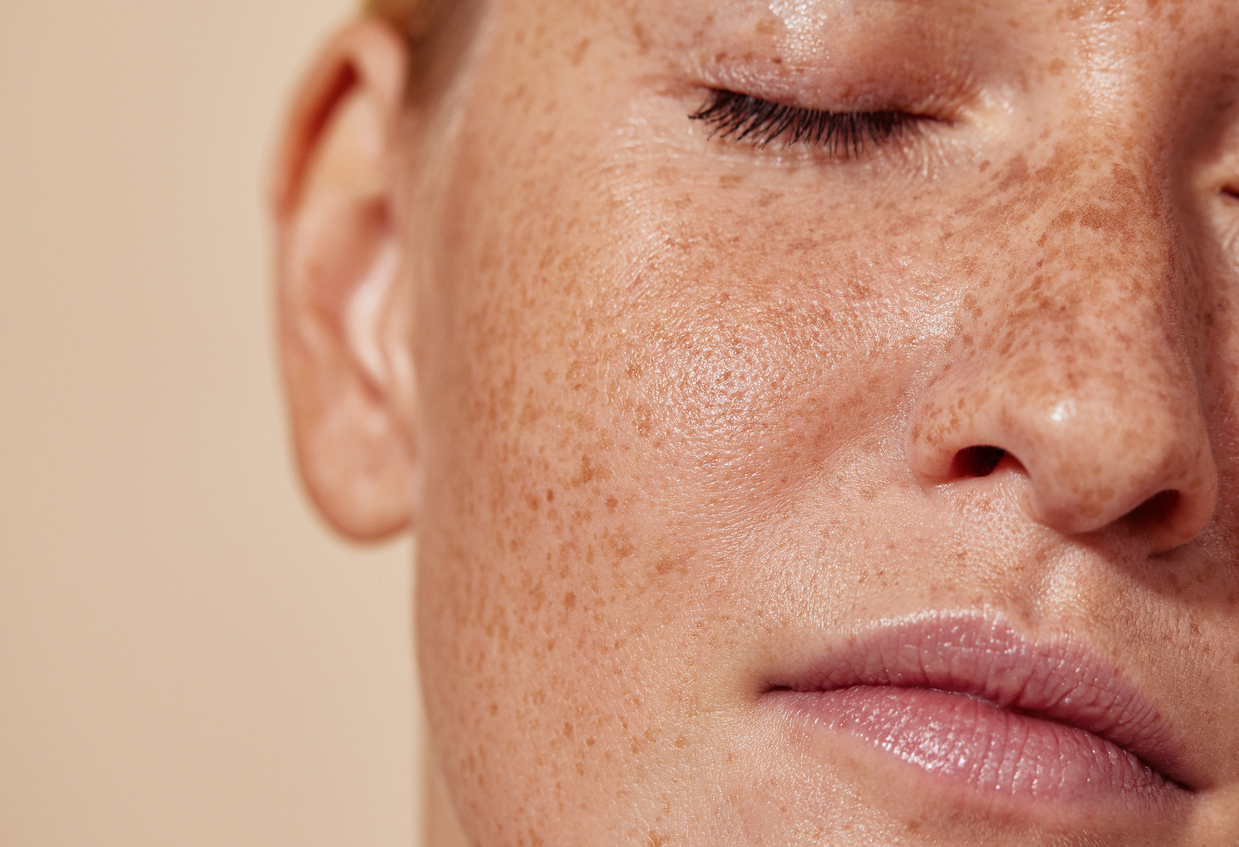
Chemical peels address a broad range of skin concerns by accelerating cell turnover and stimulating collagen production. Common conditions we treat include:
AHA, TCA, and Combination Peels: Choosing the Right Peel for Your Skin
Not all chemical peels are the same, and the right choice depends on your skin concern, your skin tone, and how much downtime you are willing to work with.
AHA peels, which include glycolic and lactic acid formulas, are the gentlest option and work at the surface level to improve tone, texture, and radiance with minimal irritation. TCA peels penetrate more deeply than AHA peels, producing more significant correction but requiring more recovery time.
Combination and customized peels allow your provider to address multiple concerns in a single session by layering different acid formulas at different strengths. During your consultation, your provider will assess your skin tone, your concerns, and your history with chemical treatments before recommending the peel that gives you the best result safely.
What to Expect Before, During, and After Your Chemical Peel
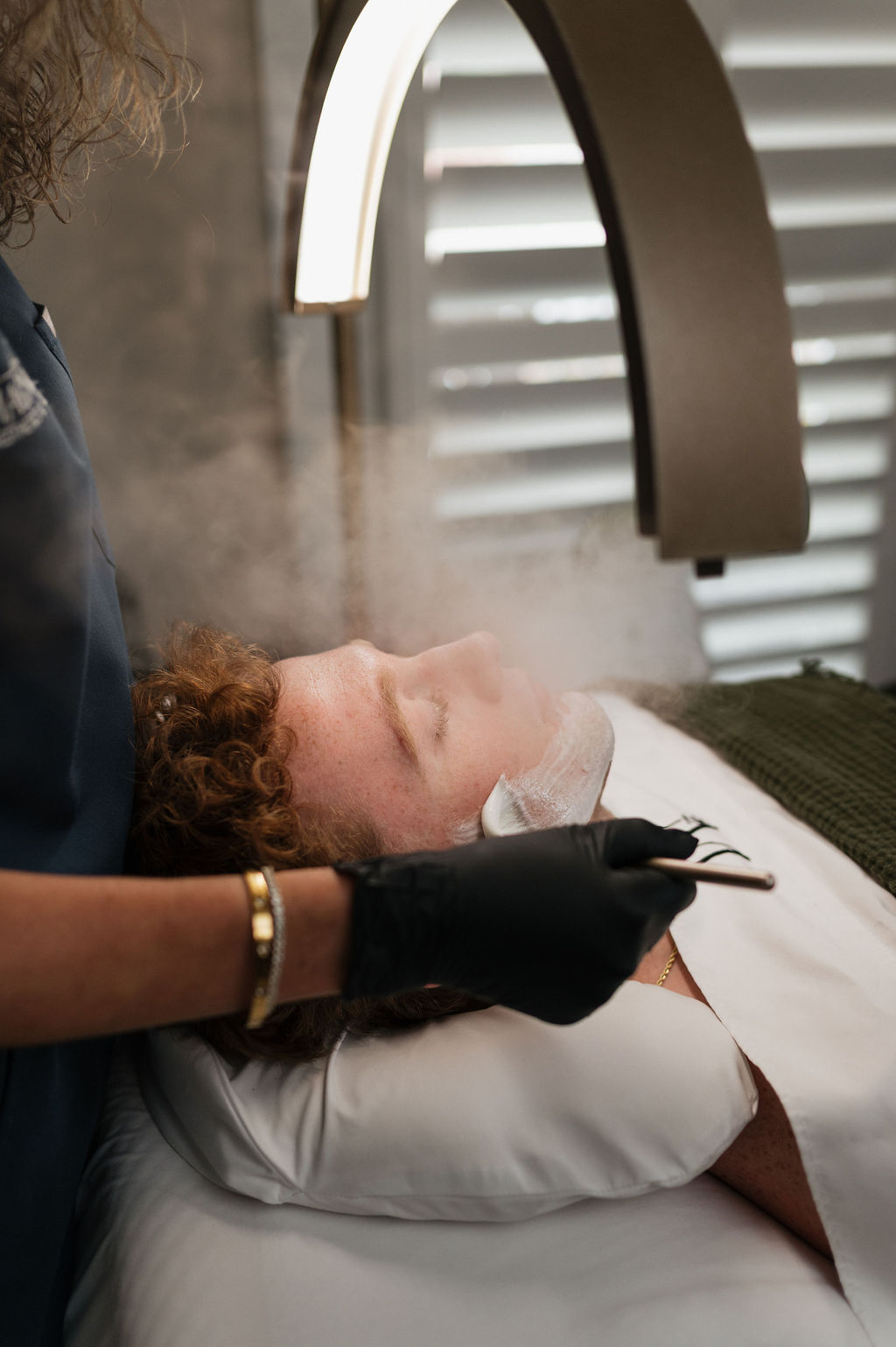
Chemical peel appointments are performed in-office and typically take between 30 and 60 minutes, depending on the peel type and the areas being treated. The skin is cleansed thoroughly before the solution is applied.
During an AHA peel, most patients experience a mild stinging or tingling sensation that resolves quickly. TCA peels may produce a brief burning sensation followed by a frosting effect on the skin, which is a normal part of the process.
Recovery varies considerably depending on the peel depth. AHA peels typically involve light flaking and mild redness for a few days. TCA peels involve more significant peeling, redness, and temporary swelling that can last one to two weeks. In all cases, protecting the skin from sun exposure is critical during and after the healing process.
Milton’s Chemical Peel Questions, Answered
The number of sessions depends on the peel type and the concern being addressed. AHA peels work best as a series, typically four to six sessions spaced two to four weeks apart, with results building progressively across each treatment. TCA peels can produce meaningful improvement in a single session, with touch-up treatments considered several months later.
For patients using chemical peels alongside other treatments like laser resurfacing or RF microneedling, your provider will sequence the treatments appropriately to maximize results without over-treating the skin.
Chemical peels can be performed safely across a range of skin tones, but the appropriate peel type and strength vary significantly by individual. Here is what influences safety across different skin tones:
- AHA peels are generally safe for a wide range of skin tones with proper selection and application
- TCA peels carry a higher risk of post-inflammatory hyperpigmentation in deeper skin tones and require careful assessment before proceeding
- Patients with darker skin tones often benefit from a pre-peel skincare preparation period using pigment-inhibiting ingredients to reduce the risk of adverse reactions
- Peel strength, acid concentration, and contact time are all adjusted based on your skin tone and sensitivity
- Your provider will assess your Fitzpatrick skin type carefully and recommend only the peels that are appropriate and safe for your skin
If you have concerns about how your skin tone affects your candidacy, bring them to your consultation, and your provider will give you a clear and honest assessment.
Results from chemical peels are long-lasting but are influenced by sun exposure, skincare habits, and how consistently you maintain treatment.
A single AHA peel produces a noticeable improvement in radiance and texture that typically lasts several weeks, while a series of peels produces cumulative improvement that holds significantly longer. TCA peel results can last several months to a year, depending on the depth of the treatment and how well the skin is maintained afterward.
Patients who maintain a consistent medical-grade skincare routine and schedule periodic maintenance peels tend to see the most sustained improvement over time.
Yes, and chemical peels work well alongside a number of complementary services. Common pairings include:
- Combined with IPL photofacial for patients addressing both surface texture and pigmentation
- Used between RF microneedling sessions to maintain surface clarity while deeper collagen remodeling continues
- Paired with medical-grade skincare, including vitamin C and pigment inhibitors, for ongoing sun damage management
- Used as part of our Acne Boot Camp program for patients managing active breakouts alongside post-inflammatory marks
Your provider will recommend the combination that makes the most sense for your skin and build a sequenced treatment timeline accordingly.
Both chemical peels and laser resurfacing remove damaged skin layers to reveal healthier tissue beneath, but they achieve this through different mechanisms.
Chemical peels use acid solutions to exfoliate the skin chemically, working at a depth determined by the acid type and concentration. Laser resurfacing uses focused light energy to remove or remodel tissue with more precise depth control than a chemical peel can typically achieve.
Many patients benefit from both treatments used in combination as part of a comprehensive skin health plan.